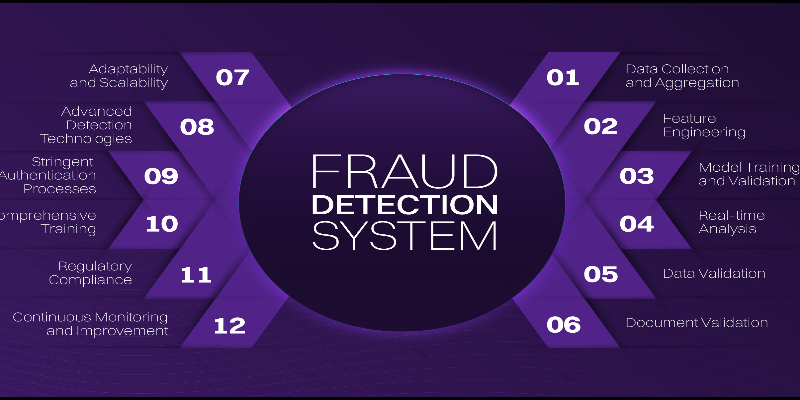
Prevention, Analysis & Detection of Corporate Fraud: Systems & Procedures
Comprehensive Training Introduction
Corporate fraud continues to challenge organizations worldwide, costing billions annually and damaging stakeholder confidence. As fraud becomes increasingly complex — often leveraging technology, exploiting control gaps, or manipulating internal processes — organizations must take a proactive, systematic approach to fraud prevention, detection and investigation.
This comprehensive training program provides a structured and practical framework for identifying, analyzing, and mitigating fraud risks across all functional areas. The course covers legal obligations, governance structures, control mechanisms, risk management, behavioral science, forensic analysis, and technology-driven solutions.
Using real-life examples, case studies, and hands-on exercises, participants will learn how to establish a fraud-resilient organization by embedding strong systems, procedures, ethics, and culture.
Training Objectives
By the end of the program, participants will be able to:
- Recognize various types of corporate fraud and their impact
- Conduct comprehensive fraud risk assessments
- Identify weaknesses in internal control systems
- Detect fraud using data analytics, red flags, and behavior cues
- Conduct internal fraud investigations and handle evidence
- Develop fraud prevention systems and integrate them with enterprise processes
- Understand legal, regulatory, and compliance obligations
- Foster a fraud-aware and ethically strong corporate culture
Target Audience
- Internal and External Auditors
- Risk and Compliance Officers
- Finance and Accounting Professionals
- Legal & Corporate Governance Teams
- Procurement and Supply Chain Managers
- HR and Ethics Officers
- Senior Executives and Board Members
- Investigators and Forensic Experts
Training Duration
54 Weeks (Modular Format) – Can be delivered as an intensive bootcamp or spread across multiple sessions (in-person or virtual).
Course Content — 16 Modules
Module 1: Introduction to Corporate Fraud
- What is Corporate Fraud?
- The Fraud Triangle & Fraud Diamond Models
- Types of Fraud: Financial, Procurement, IT, HR, etc.
- Global Impact & Emerging Fraud Trends
- Why Companies Fail to Detect Fraud
Module 2: Legal & Regulatory Frameworks
- Domestic & International Anti-Fraud Laws
- Anti-Bribery and Anti-Corruption Laws
- Money Laundering Regulations
- Regulatory Compliance Obligations
- Legal Consequences for Companies and Executives
Module 3: Corporate Governance & Fraud Oversight
- Role of the Board, Audit Committees, and Senior Management
- Governance Structures to Deter Fraud
- Fraud Reporting Frameworks
- Responsibilities for Oversight & Accountability
- Whistleblower Protections and Hotlines
Module 4: Fraud Risk Management Framework
- Enterprise-Wide Fraud Risk Assessment (FRA)
- Identifying Fraud Vulnerabilities
- Mapping Controls to Risks
- Fraud Risk Register Development
- Linking FRA to Enterprise Risk Management (ERM)
Module 5: Internal Control Systems & Procedures
- COSO Framework and Internal Controls
- Types of Controls: Preventive, Detective, Corrective
- Segregation of Duties & Authorization Protocols
- Designing Control Matrices
- Periodic Control Testing
Module 6: Procurement & Supply Chain Fraud
- Common Procurement Fraud Schemes
- Conflict of Interest in Supplier Selection
- Bid Rigging, Kickbacks, False Invoicing
- Vendor Due Diligence & Monitoring
- Controls in Contract Management
Module 7: Financial Reporting & Accounting Fraud
- Earnings Management & Revenue Recognition Fraud
- Overstatement/Understatement of Assets or Liabilities
- Falsified Transactions & Off-Book Accounting
- Role of External Auditors in Fraud Detection
- Red Flags in Financial Statements
Module 8: Cyber Fraud and IT Controls
- Email Compromise, Phishing, and Ransomware
- IT Asset Misuse and Data Manipulation
- Cybersecurity Controls & Monitoring
- Digital Identity & Access Management
- Fraud Risks in Cloud and Digital Platforms
Module 9: Behavioral Red Flags & Psychological Profiling
- Common Traits of Fraud Perpetrators
- Behavioral Cues and Warning Signs
- Lifestyle Indicators & Situational Triggers
- Role of HR in Early Detection
- Fraud Awareness Training Programs
Module 10: Data Analytics for Fraud Detection
- Types of Fraud Analytics (Descriptive, Predictive, Prescriptive)
- Using Excel, Power BI, ACL, IDEA for Fraud Detection
- Transaction Testing & Outlier Detection
- Data Visualization of Fraud Risk
- Building Real-Time Fraud Monitoring Systems
Module 11: Forensic Accounting & Investigation Techniques
- Forensic Investigation Methodologies
- Tracing Transactions and Following the Money
- Bank Record Reviews and Digital Forensics
- Chain of Custody and Documentation Standards
- Coordination with Legal and Regulatory Bodies
Module 12: Interviewing & Interrogation Skills
- Conducting Internal Fraud Interviews
- Psychological Techniques and Legal Considerations
- Cognitive Interviewing for Information Gathering
- Documenting Interview Results
- Managing Employee Reactions and Retaliation Risks
Module 13: Fraud Reporting, Documentation & Case Management
- Structuring a Fraud Investigation Report
- Evidence Logs and Case Files
- Reporting to Regulators, Law Enforcement, or Audit Committees
- Ensuring Confidentiality and Integrity of Reports
- Post-Investigation Recovery Actions
Module 14: Industry-Specific Fraud Risks
- Fraud in Banking & Financial Services
- Fraud in Government and Public Sector
- Healthcare & Insurance Fraud Schemes
- Construction & Real Estate Fraud
- NGO & Donor-Funded Project Fraud
Module 15: Building a Fraud-Resilient Organization
- Establishing Anti-Fraud Policies & SOPs
- Fraud Awareness & Communication Campaigns
- Ethics and Integrity Programs
- Tone at the Top: Leadership Commitment
- Fraud Maturity Model & Internal Audits
Module 16: Real-World Case Studies & Simulation Workshop
- Dissecting High-Profile Global Fraud Cases
- Group Exercise: Simulated Fraud Investigation
- Interactive Scenario Analysis
- Lessons Learned & Best Practices
- Open Forum and Q&A
Training Methodology
- Expert-led Workshops & Lectures
- Interactive Case Studies
- Simulation Exercises & Group Work
- Role-Playing & Behavioral Analysis
- Hands-on Data Tools (optional)
- Quizzes & Module Reviews
Materials & Takeaways
- Participant Handbook & Slide Deck
- Fraud Risk Assessment Templates
- Sample Fraud Policy & Code of Conduct
- Investigation Report Template
- Data Analytics Spreadsheet Examples
- Certificate of Completion


